

Dhenden Piad Business and Accountant Tutor
No reviews yet
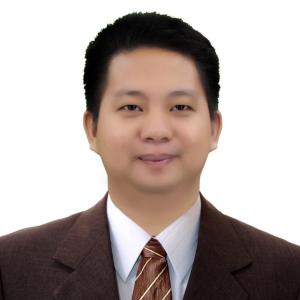
I'm Dhen and I've been tutoring for 4 years both in local and foreign students. My most recent students are Chinese ABM(Accounting and Business Management) level. I help them answering their accounting and other related subjects. I excel in the categories of Accounting, Business and Finance. As a tutor, my focus is to build strong relationship and connectivity to my students by developing and honing their skills in their chosen field.
My teaching style comes into two types: Asynchronous and Synchronous, asynchronous wherein the students must be ready for the activity based output that I made while Synchronous is a consultation with regards to the activity done by the students
If all my skills meet your needs. Please don't hesitate to message me. I look forward teaching to you!
Subjects
-
Business Beginner-Expert
-
Cost Accounting Beginner-Intermediate
-
Finance-BBA
-
MBA - Human resource management
-
Business & Management Beginner-Expert
-
Financial Accounting and Reporting Beginner-Expert
-
Basic & Advanced Excel Beginner-Expert
-
Banking & Insurance Accounting Beginner-Expert
-
Basic communication skills Beginner-Expert
-
Banking Finance Beginner-Expert
-
Financial Analysis Beginner-Expert
-
Finance & Management Accounting Beginner-Expert
-
Insurance and contracts Beginner-Expert
-
Finance for Non finance Beginner-Expert
-
Accounting and Finance Beginner-Expert
-
Basic Life Support (BLS)
-
Business and Accounting Beginner-Expert
-
MBA Research Paper
-
Finance and Banking Grade 11-Bachelors/Undergraduate
-
Activity-based costing Beginner-Intermediate
Experience
-
Freelance Accountant (Jan, 2021–Present) at Company Confidential
*Assist clients in preparation of Income and Expense report.
*Monthly bookkeeping
*Recording transaction in Quickbooks(Accounting software)
*Tax Filing -
Member (Dec, 2020–Present) at National Institute of Accounting Technicians
Largest organization for all Accounting Professionals in the Philippines. -
Billing and Collection Assistant (Jul, 2017–Present) at Triple 7 Manpower Services
*Handling Accounts Receivable for both private and public clients.
*Collect and Post payment in general ledger
*Assist in Billing preparation.
Education
-
Quality Management (Jan, 2025–now) from Central Escolar University
-
Juris Doctor (Aug, 2024–now) from Philippine Christian University (Manila,PH)
-
Business Administration (Aug, 2022–Aug, 2024) from Gambit Business School–scored 4.00
-
Master degree in Business Administration (Aug, 2020–now) from Certified Bookkeeper and Registered Cost Accountant
Fee details
₱500–1,500/hour (US$8.13–24.40/hour)
Hourly Rates
Basic Tutoring (500 PHP per hour):
Suitable for subjects like elementary education or beginner-level tutoring.
Intermediate Tutoring (750–1,000 PHP per hour):
Ideal for high school-level subjects or advanced topics that require specialized knowledge.
Advanced/Expert Tutoring (1,200–1,500 PHP per hour):
Designed for college-level courses, specialized training, or highly technical subjects such as engineering, medicine, law, or advanced mathematics.
Additional Notes:
Group tutoring (up to 3 students) may include a slight discount per student.
Travel fees may apply for in-person sessions outside a certain radius.
Discounts for packages (e.g., 10+ hours prepaid) can be offered based on agreement.
Courses offered
-
Bookkeeping for Non Accountants
- US$250
- Duration: 3 Days
-
 Delivery mode: Online
-
 Group size: 41 or more
- Instruction language: English, Filipino/Tagalog
-
 Certificate provided:
Yes
Certificate provided:
Yes
I. Introduction to Bookkeeping
1. **Understanding Bookkeeping
- Definition and importance
- Role of a bookkeeper in a business
2. Key Bookkeeping Concepts
- Accounting vs. bookkeeping
- The accounting cycle overview
3. Basic Terminologies
- Assets, liabilities, equity
- Revenue and expenses
- Debits and credits
II. Fundamentals of Bookkeeping
1. The Double-Entry System
- Explanation of debits and credits
- How to record transactions
2. Chart of Accounts
- What it is and its purpose
- Common account categories
3. Recording Financial Transactions
- Sales and revenue tracking
- Expense categorization
- Handling invoices and bills
4. Trial Balance and Reconciliation
- Preparing a trial balance
- Bank reconciliation basics
III. Introduction to QuickBooks
1. Getting Started with QuickBooks
- Overview of QuickBooks versions (desktop and online)
- Setting up a company profile
2. Navigating the Dashboard
- Understanding the interface
- Key menus and features
3. Chart of Accounts in QuickBooks
- Customizing and organizing accounts
- Adding and modifying accounts
IV. Recording Transactions in QuickBooks
1. Sales and Invoicing
- Creating and sending invoices
- Tracking payments
2. Expenses and Bills
- Entering and categorizing expenses
- Managing vendor bills
3. Bank Feeds and Reconciliation
- Connecting bank accounts
- Matching transactions and reconciling
V. Generating and Interpreting Reports
1. Financial Reports Overview
- Profit and Loss Statement
- Balance Sheet
- Cash Flow Statement
2. Analyzing Reports for Decision-Making
- Identifying key insights
- Using reports for financial planning
VI. Practical Applications
1. Case Studies and Exercises
- Real-world examples of bookkeeping tasks
- Hands-on practice with QuickBooks
2. Common Mistakes and How to Avoid Them
- Troubleshooting errors
- Best practices for efficient bookkeeping
VII. Final Review and Certification
1. Review of Key Concepts
- Summarizing the course content
- Addressing common queries
2. Assessment and Certification
- Final quiz or project
- Certificate of completion
VIII. Additional Resources and Next Steps
1. Further Learning Opportunities
- Advanced bookkeeping courses
- Accounting certifications (e.g., CPA, QuickBooks ProAdvisor)
2. Ongoing Support and Networking
- Access to online forums and communities
- Tips for staying updated with bookkeeping trendsCertified QuickBooks Professional
- ₱1500
- Duration: 1 Day
-
Delivery mode: Online
-
Group size: 41 or more
- Instruction language: English, Filipino/Tagalog
-
Certificate provided:
Yes
Exam Highlights:
1. Core Topics:
- Navigating QuickBooks Online and Desktop platforms.
- Setting up and managing company accounts.
- Recording transactions and reconciling accounts.
- Generating financial reports and analyzing business performance.
- Managing payroll and tax compliance.
- Inventory management and expense tracking.
2. Target Audience:
- Accountants, bookkeepers, and financial professionals.
- Small business owners and entrepreneurs.
- Individuals seeking to advance their career in accounting or finance.
3. Benefits of Certification:
- Enhanced credibility and professional recognition.
- Mastery of essential QuickBooks functions to improve efficiency.
- Improved career opportunities with verified skills.
- Access to exclusive resources and support from Intuit.
4. Exam Format:
- Multiple-choice questions, scenarios, and practical tasks.
- Duration: Typically 3 hours.
- Passing Score: 50%
The certification equips candidates with the knowledge and tools to streamline financial operations, ensuring accuracy and compliance in managing business finances. Whether you're a seasoned professional or new to accounting, the Certified QuickBooks Professional exam provides a pathway to excellence in financial management.

-
-
Bacoor, Cavite, Philippines
-
Can travel:
No
-
- Last login: Jan 18
- Registered: Feb 1, 2021
- Total Teaching exp: 3.0 yrs.
- Teaches online: Yes
- Online Teaching exp: 3.0 yrs.
- Teaches at student's home: No
- Homework Help: Yes
-
 Gender: Male
- Works as: Individual teacher
- Speaks: Chinese (Mandarin), English, Filipino/Tagalog
-
Fee:₱500–1,500/hour(USD 8.13–24.4/hour)
Reviews
No reviews yet. Be the first one to review this tutor.