You profile has been submitted for review.



Wendrian Teach Indonesian, Chinese and Basic English
No reviews yet
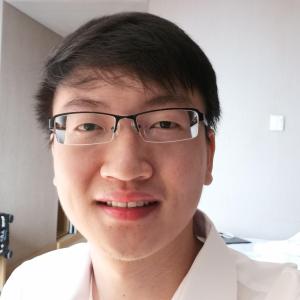
Here are my Teaching Methodology:
- I use a student-centered approach, focusing on individual student needs and interests. Whether you prefer focusing on conversation practice, language mastery, preparing for tests, or any other specific goals, I'm here to tailor the lessons to your needs.
- During our classes, you can expect a structured approach that includes interactive lessons followed by worksheets to reinforce what you've learned. Additionally, I'll assign homework to help solidify your understanding and retention of the material. Remember, repetition is key to success in language learning, so don't hesitate to practice regularly.
About my Subject Expertise:
I specialize in teaching adult and kids, with in-depth knowledge and understanding of the subject matter. I also always updating my knowledge and skills to stay current with developments in the field.
Overall, my teaching experience, certifications, teaching methodology, education, and subject expertise have prepared me to provide high-quality education and support to my students.
So you are welcome to book your first lesson today and embark on an exciting learning journey together!
Unleash Your Linguistic Brilliance : Dive In and Discover Your Fluency Potential Today!
Subjects
-
English Beginner-Intermediate
-
Indonesian Beginner-Expert
-
Mandarin/Chinese language Beginner-Intermediate
Experience
-
Chinese Language Teacher (Jul, 2025–Present) at Petra Christian Senior High School, Surabaya
I teach Chinese language to Indonesian students at this school. -
Chinese Teacher (Jul, 2025–Present) at YongChun Chinese Language Centre
I teach Chinese language to Indonesian students -
Chinese language teacher (Jan, 2022–Jan, 2024) at Mandarin Today
Curriculum Development: Designing and developing lesson plans, curriculum materials, and instructional activities tailored to the needs and proficiency levels of students.
Classroom Instruction: Conducting engaging and interactive classes to teach Chinese language skills, including speaking, listening, reading, and writing. Using a variety of teaching methods and resources to accommodate different learning styles.
Language Proficiency Assessment: Assessing students' language proficiency through tests, assignments, and other evaluation methods. Providing feedback and guidance to help students improve their skills.
Cultural Education: Introducing students to Chinese culture, traditions, customs, and societal norms through discussions, presentations, and multimedia resources.
Individualized Instruction: Providing individualized support and guidance to students who require extra help or have specific learning goals.
Classroom Management: Maintaining a positive and inclusive learning environment by managing student behavior, fostering a sense of community, and addressing any disciplinary issues that may arise.
Parent Communication: Communicating regularly with parents or guardians to provide updates on students' progress, discuss concerns, and solicit feedback.
Professional Development: Participating in ongoing professional development activities, such as workshops, conferences, and training sessions, to enhance teaching skills and stay current with best practices in language education.
Cultural Events and Activities: Organizing or participating in cultural events, such as Chinese New Year celebrations, cultural festivals, and language immersion programs, to provide students with opportunities to practice language skills and immerse themselves in Chinese culture.
Collaboration: Collaborating with colleagues, administrators, and other stakeholders to coordinate curriculum implementation, share resources, and support the overall goals of the language program.
Technology Integration: Incorporating technology tools and resources, such as multimedia presentations, interactive language software, and online learning platforms, to enhance teaching effectiveness and student engagement.
Professional Conduct: Adhering to ethical standards and professional codes of conduct, maintaining confidentiality, and upholding the reputation of the institution or organization.
Overall, a Chinese teacher plays a crucial role in promoting language proficiency, cultural understanding, and global competence among students, preparing them to communicate effectively in Chinese and navigate intercultural interactions in an increasingly interconnected world. -
Chinese language teacher (Feb, 2021–Dec, 2021) at Mint Mandarin
Curriculum Development: Designing and developing lesson plans, curriculum materials, and instructional activities tailored to the needs and proficiency levels of students.
Classroom Instruction: Conducting engaging and interactive classes to teach Chinese language skills, including speaking, listening, reading, and writing. Using a variety of teaching methods and resources to accommodate different learning styles.
Language Proficiency Assessment: Assessing students' language proficiency through tests, assignments, and other evaluation methods. Providing feedback and guidance to help students improve their skills.
Cultural Education: Introducing students to Chinese culture, traditions, customs, and societal norms through discussions, presentations, and multimedia resources.
Individualized Instruction: Providing individualized support and guidance to students who require extra help or have specific learning goals.
Classroom Management: Maintaining a positive and inclusive learning environment by managing student behavior, fostering a sense of community, and addressing any disciplinary issues that may arise.
Parent Communication: Communicating regularly with parents or guardians to provide updates on students' progress, discuss concerns, and solicit feedback.
Professional Development: Participating in ongoing professional development activities, such as workshops, conferences, and training sessions, to enhance teaching skills and stay current with best practices in language education.
Cultural Events and Activities: Organizing or participating in cultural events, such as Chinese New Year celebrations, cultural festivals, and language immersion programs, to provide students with opportunities to practice language skills and immerse themselves in Chinese culture.
Collaboration: Collaborating with colleagues, administrators, and other stakeholders to coordinate curriculum implementation, share resources, and support the overall goals of the language program.
Technology Integration: Incorporating technology tools and resources, such as multimedia presentations, interactive language software, and online learning platforms, to enhance teaching effectiveness and student engagement.
Professional Conduct: Adhering to ethical standards and professional codes of conduct, maintaining confidentiality, and upholding the reputation of the institution or organization.
Overall, a Chinese teacher plays a crucial role in promoting language proficiency, cultural understanding, and global competence among students, preparing them to communicate effectively in Chinese and navigate intercultural interactions in an increasingly interconnected world.
Education
-
Architecture (Sep, 2009–Feb, 2014) from Tarumanagara University, West Jakarta–scored B
Fee details
Rp150,000–1,000,000/hour (US$8.42–56.11/hour)
for 1 hour it could be IDR150000 to 1000000
depend on the subject, location, etc.
if I teach online, it could be at the minimum fee.

-
-
Surabaya, Surabaya City, East Java, Indonesia
-
Can travel:
621.5 mi (1000.0 km)
-
- Last login: May 18
- Registered: Mar 15, 2024
- Total Teaching exp: 3.0 yrs.
- Teaches online: Yes
- Online Teaching exp: 3.0 yrs.
- Teaches at student's home: Yes
- Homework Help: Yes
-
 Gender: Male
- Works as: Individual teacher
- Speaks: Indonesian
-
Fee:Rp150,000–1,000,000/hour(USD 8.42–56.11/hour)
Reviews
No reviews yet. Be the first one to review this tutor.